Ever wondered what ‘leads meaning’ really is and why it’s crucial for business success? It’s more than just potential customers—it’s the lifeblood of sales and marketing. Let’s break it down in simple, powerful terms.

Leads Meaning: The Core Definition and Business Impact

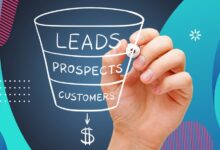
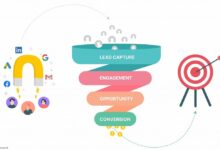
Understanding the true leads meaning is the first step toward building a successful sales funnel. At its core, a lead is any individual or organization that has shown interest in your product or service. This interest can be expressed in various ways—filling out a form, subscribing to a newsletter, downloading a whitepaper, or even engaging with your content on social media.
What Exactly Is a Lead?
A lead is not yet a customer, but a prospect who has taken an action indicating potential interest. The leads meaning goes beyond a simple contact; it represents the starting point of a relationship between a business and a potential buyer.
- A lead could be someone who clicks on a Google ad.
- It might be a visitor who signs up for a free trial.
- Or even a person who attends a webinar hosted by your company.
Each of these actions signals intent, which is why leads are so valuable in the sales process.
Why Leads Are the Foundation of Sales
Without leads, there are no conversions, no revenue, and ultimately, no business growth. The leads meaning in sales is directly tied to opportunity. Every lead is a chance to demonstrate value, build trust, and close a deal.
“A business without leads is like a car without fuel—it might look great, but it’s going nowhere.” — Sales Expert Brian Tracy
Companies invest heavily in lead generation because they understand that consistent lead flow is essential for sustainable growth.
Types of Leads: Understanding the Different Categories
Not all leads are created equal. The leads meaning varies depending on the stage of the buyer’s journey and the level of engagement. Recognizing the different types of leads helps businesses prioritize efforts and allocate resources effectively.
Marketing Qualified Leads (MQLs)
Marketing Qualified Leads (MQLs) are prospects who have engaged with marketing content and meet specific criteria set by the marketing team. These criteria might include:
- Downloading a pricing guide
- Attending a product demo
- Spending significant time on pricing pages
MQLs are not yet ready to buy, but they’ve shown enough interest to be nurtured further. According to HubSpot, companies that effectively nurture MQLs see up to 50% more sales-ready leads at a lower cost. Learn more about MQLs at HubSpot.
leads meaning – Leads meaning menjadi aspek penting yang dibahas di sini.
Sales Qualified Leads (SQLs)
Sales Qualified Leads (SQLs) are leads that marketing has passed to the sales team because they’ve demonstrated clear buying intent. These leads have typically:
- Requested a consultation
- Asked for a quote
- Expressed budget and timeline for purchase
The transition from MQL to SQL is critical. It requires alignment between marketing and sales teams to ensure smooth handoffs and consistent messaging.
Product Qualified Leads (PQLs)
Product Qualified Leads (PQLs) are a modern category, especially relevant for SaaS and freemium models. A PQL is someone who has used a free version of a product and exhibited behaviors that indicate readiness to upgrade.
For example, a user who has:
- Used key premium features in trial mode
- Invited team members to collaborate
- Hit usage limits
These behavioral signals make PQLs highly valuable and often easier to convert than traditional leads.
How Leads Are Generated: Top Strategies and Channels
Understanding the leads meaning is only half the battle. The next step is knowing how to generate high-quality leads consistently. Different industries and business models rely on various lead generation strategies.
Content Marketing and Lead Magnets
One of the most effective ways to generate leads is through content marketing. By offering valuable, educational content, businesses attract potential customers who are actively seeking solutions.
Lead magnets—such as eBooks, checklists, templates, or webinars—are used to capture contact information in exchange for value.
- A real estate agency might offer a free home valuation guide.
- A financial advisor could provide a retirement planning calculator.
- A software company might host a live demo with exclusive tips.
According to Content Marketing Institute, content-driven lead generation costs 62% less than traditional outbound marketing and generates about three times as many leads.
leads meaning – Leads meaning menjadi aspek penting yang dibahas di sini.
Paid Advertising and Lead Forms
Paid channels like Google Ads, Facebook Ads, and LinkedIn Ads allow businesses to target specific audiences and drive traffic to lead capture pages.
Platforms like Facebook offer built-in lead forms that make it easy for users to submit their information without leaving the app. This frictionless experience can significantly increase conversion rates.
- Targeting by job title, industry, or interests increases relevance.
- A/B testing ad copy improves performance over time.
- Retargeting campaigns re-engage visitors who didn’t convert initially.
However, while paid ads can generate leads quickly, they require careful budgeting and optimization to ensure a positive ROI.
Referral and Partner Programs
Word-of-mouth remains one of the most trusted forms of marketing. Referral programs incentivize existing customers or partners to bring in new leads.
For example:
- A SaaS company might offer a $100 credit for every successful referral.
- A B2B service provider could partner with complementary businesses for co-marketing.
- A real estate agent might collaborate with mortgage brokers.
Referred leads often have higher conversion rates and lifetime value because they come with built-in trust.
Lead Scoring: Prioritizing Quality Over Quantity
Not every lead deserves the same level of attention. Lead scoring is a methodology used to rank prospects based on their perceived value to the organization. The leads meaning evolves when you consider engagement, demographics, and behavior.
Demographic and Firmographic Scoring
This type of scoring evaluates leads based on static data such as:
- Job title (e.g., decision-makers score higher)
- Company size (enterprise vs. small business)
- Industry (if your product is industry-specific)
- Location (if you serve specific regions)
For B2B companies, firmographic data is often more predictive than demographic data alone.
leads meaning – Leads meaning menjadi aspek penting yang dibahas di sini.
Behavioral Scoring
Behavioral scoring tracks how a lead interacts with your brand. Actions that indicate higher intent include:
- Visiting pricing or contact pages
- Downloading product brochures
- Attending a live demo
- Opening multiple emails
The more high-intent actions a lead takes, the higher their behavioral score. Tools like Marketo and HubSpot automate this process, helping sales teams focus on the hottest leads.
Implementing a Lead Scoring Model
To build an effective lead scoring system:
- Collaborate between sales and marketing to define ideal customer profiles.
- Assign positive points for engagement and negative points for inactivity.
- Set thresholds for MQL and SQL status.
- Regularly review and refine the model based on conversion data.
A well-implemented scoring model can improve sales efficiency by up to 30%, according to research by Salesforce.
Lead Nurturing: Turning Prospects Into Customers
Only a small percentage of leads are ready to buy immediately. The leads meaning in long-term growth lies in nurturing—building relationships over time through personalized communication.
Email Drip Campaigns
Email nurturing sequences, or drip campaigns, deliver targeted content based on a lead’s behavior or stage in the funnel.
- A new subscriber might receive a welcome series introducing key benefits.
- A lead who downloaded a pricing guide could get case studies and testimonials.
- A trial user might receive tips on maximizing product value.
According to Campaign Monitor, drip emails generate 18x more revenue than broadcast emails and have significantly higher open and click-through rates.
Personalization and Segmentation
Generic messaging fails to engage. Personalization increases relevance and trust. Techniques include:
- Using the lead’s name and company in emails
- Segmenting lists by industry, role, or behavior
- Dynamic content that changes based on user data
Segmented campaigns can deliver up to 760% more revenue, as reported by Campaign Monitor.
leads meaning – Leads meaning menjadi aspek penting yang dibahas di sini.
Multi-Channel Nurturing
Today’s buyers engage across multiple platforms. Effective nurturing uses a mix of channels:
- Email for direct communication
- Social media for engagement and brand building
- Retargeting ads to stay top-of-mind
- Live chat or chatbots for instant support
Consistency across channels reinforces your message and builds credibility.
Measuring Lead Quality and Conversion Rates
Generating leads is one thing; converting them is another. The leads meaning in performance metrics is about quality, not just quantity.
Key Lead Metrics to Track
To evaluate lead effectiveness, monitor these KPIs:
- Lead Conversion Rate: Percentage of leads that become customers.
- Cost Per Lead (CPL): Total spend divided by number of leads generated.
- Lead-to-Customer Ratio: How many leads it takes to close one sale.
- Average Lead Response Time: Faster responses increase conversion chances.
For example, a study by InsideSales.com found that companies that respond to leads within 5 minutes are 21x more likely to qualify them.
Tools for Lead Tracking and Analytics
CRM systems like Salesforce, HubSpot, and Zoho CRM provide dashboards to track lead behavior, source, and conversion paths.
- Track lead source (organic, paid, referral) to optimize budget.
- Monitor funnel drop-off points to identify bottlenecks.
- Use UTM parameters to attribute leads to specific campaigns.
Integration with Google Analytics and marketing automation tools gives a 360-degree view of lead performance.
Improving Lead Quality Over Time
High volume of low-quality leads wastes sales time. To improve quality:
- Refine targeting in ads and content.
- Use qualifying questions in lead forms.
- Implement lead scoring to filter out unqualified prospects.
- Regularly audit lead sources and cut underperforming ones.
Continuous optimization ensures that your lead generation engine becomes more efficient over time.
leads meaning – Leads meaning menjadi aspek penting yang dibahas di sini.
Common Mistakes in Lead Management and How to Avoid Them
Even businesses with strong lead generation strategies can falter in management. Understanding the leads meaning includes recognizing pitfalls that can derail success.
Ignoring Lead Follow-Up
One of the biggest mistakes is failing to follow up promptly. Many leads are lost simply because no one reached out in time.
- Set up automated email sequences for immediate response.
- Use SMS or chat for faster engagement.
- Train sales teams to prioritize timely outreach.
A lead contacted within the first hour is 7x more likely to convert, according to HubSpot.
Poor Sales and Marketing Alignment
When marketing and sales teams don’t agree on what constitutes a qualified lead, friction occurs. This leads to:
- Sales rejecting leads as “not ready”
- Marketing feeling their efforts are undervalued
- Inconsistent messaging to prospects
Solution: Hold regular sync meetings, define shared KPIs, and use a Service Level Agreement (SLA) between teams.
Overlooking Lead Data Hygiene
Dirty data—duplicate entries, incorrect emails, outdated info—reduces campaign effectiveness and damages sender reputation.
- Use validation tools at point of entry.
- Regularly clean your CRM database.
- Remove bounced or unengaged contacts.
According to Experian, poor data quality can cost businesses up to 12% of their revenue.
What is the basic leads meaning?
The basic leads meaning refers to individuals or organizations that have shown interest in a product or service and are potential customers. They are not yet buyers but have taken an action that indicates intent, such as filling out a form or downloading content.
leads meaning – Leads meaning menjadi aspek penting yang dibahas di sini.
What’s the difference between a lead and a prospect?
A lead is anyone who has expressed interest, while a prospect is a lead that has been qualified as having a genuine need, budget, and authority to buy. All prospects are leads, but not all leads become prospects.
How can I generate high-quality leads?
Focus on targeted content, lead magnets, and precise audience segmentation. Use lead scoring to prioritize engagement and ensure timely follow-up. Invest in SEO, paid ads, and referral programs to diversify your lead sources.
Why is lead nurturing important?
Most leads aren’t ready to buy immediately. Nurturing builds trust, educates prospects, and guides them through the buyer’s journey, significantly increasing the chances of conversion over time.
What tools help manage leads effectively?
CRM platforms like HubSpot, Salesforce, and Zoho CRM are essential. Marketing automation tools (e.g., Marketo, ActiveCampaign), email platforms, and analytics tools help track, score, and nurture leads efficiently.
Understanding the leads meaning is fundamental to any business’s growth strategy. From defining what a lead is to generating, scoring, and nurturing them, each step plays a critical role in converting interest into revenue. By avoiding common mistakes and leveraging data-driven strategies, companies can build a sustainable pipeline that fuels long-term success. Whether you’re in B2B or B2C, mastering lead management isn’t optional—it’s essential.
leads meaning – Leads meaning menjadi aspek penting yang dibahas di sini.
Further Reading:
