Ever wondered what a ‘lead’ really means in business? It’s more than just a name on a list—it’s the spark that ignites sales. Let’s break down the leads definition and uncover how it powers growth.
Leads Definition: What Exactly Is a Lead?

At its core, the leads definition refers to a person or organization that has shown interest in your product or service. This interest can come from various actions—filling out a form, subscribing to a newsletter, downloading a guide, or even engaging with your content on social media. A lead is not yet a customer, but they are a potential one.
Why the Leads Definition Matters in Business
Understanding the precise leads definition is crucial because it sets the foundation for your entire sales and marketing strategy. Without knowing who qualifies as a lead, companies risk wasting time and resources on uninterested audiences. A well-defined lead helps businesses segment their audience, personalize communication, and increase conversion rates.
- Leads are the starting point of the sales funnel.
- They help measure marketing effectiveness.
- They enable targeted follow-up strategies.
“A lead is not just a contact—it’s a conversation waiting to happen.” — Marketing Expert, Neil Patel
Different Perspectives on the Leads Definition
The interpretation of a lead can vary across industries and departments. In sales, a lead might be someone who has requested a demo. In digital marketing, it could be someone who clicked on a paid ad. In real estate, a lead might be a person inquiring about property prices. Despite these differences, the core idea remains: a lead is a prospect with potential.
leads definition – Leads definition menjadi aspek penting yang dibahas di sini.
For example, in e-commerce, a lead might be defined as a visitor who adds an item to their cart but doesn’t complete the purchase. This behavior signals intent, making them a warm lead worth nurturing. In B2B companies, a lead could be a decision-maker who attended a webinar. The context shapes the leads definition, but the goal is always conversion.
Types of Leads: Understanding the Different Categories
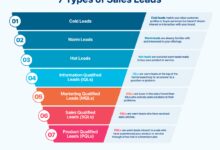
Not all leads are created equal. Based on their level of engagement and readiness to buy, leads are typically classified into several types. Knowing these types helps businesses prioritize efforts and allocate resources efficiently. Let’s explore the most common categories.
Marketing Qualified Leads (MQLs)
Marketing Qualified Leads (MQLs) are individuals who have engaged with your marketing content and meet specific criteria set by your marketing team. These criteria might include downloading a whitepaper, attending a webinar, or spending significant time on your pricing page.
MQLs are not yet ready to talk to sales, but they’ve shown enough interest to be nurtured further. For instance, someone who signs up for a free trial of your software is likely an MQL. They’ve taken action, but they may still be evaluating options.
leads definition – Leads definition menjadi aspek penting yang dibahas di sini.
- Engaged with content (e.g., blog posts, videos).
- Met lead scoring thresholds.
- Not yet sales-ready.
According to HubSpot, companies that effectively identify MQLs see up to 50% higher conversion rates from marketing efforts. You can learn more about MQLs at HubSpot’s guide on MQLs.
Sales Qualified Leads (SQLs)
Sales Qualified Leads (SQLs) are leads that marketing has passed to the sales team because they’ve demonstrated clear buying intent. This could include requesting a product demo, asking for a quote, or expressing budget and timeline for a purchase.
The transition from MQL to SQL is critical. It requires alignment between marketing and sales teams to ensure smooth handoff and consistent messaging. For example, if a lead fills out a ‘Contact Sales’ form, they are immediately classified as an SQL.
“An SQL is not just interested—they’re ready to talk.” — Sales Trainer, Jill Konrath
SQLs have a much higher chance of converting into customers. Research by MarketingProfs shows that SQLs convert at nearly 3x the rate of general leads.
leads definition – Leads definition menjadi aspek penting yang dibahas di sini.
Product Qualified Leads (PQLs)
Product Qualified Leads (PQLs) are a newer category, especially relevant in SaaS (Software as a Service) businesses. These are users who have experienced the product firsthand—often through a free version or trial—and shown behaviors indicating they’re ready to upgrade.
For example, a user who has used a free version of a project management tool, invited team members, and created multiple projects is likely a PQL. Their in-product behavior signals readiness to pay.
PQLs are powerful because they’ve already validated the product’s value. Companies like Slack and Dropbox use PQL models to drive rapid growth. You can read more about PQLs on Paddle’s resource page.
How Leads Are Generated: Key Strategies and Channels
Generating leads is the lifeblood of any growing business. Without a steady flow of leads, sales pipelines dry up. There are numerous ways to generate leads, each with its own strengths and ideal use cases. Let’s dive into the most effective methods.
leads definition – Leads definition menjadi aspek penting yang dibahas di sini.
Content Marketing and Lead Magnets
Content marketing remains one of the most powerful lead generation tools. By offering valuable content—such as ebooks, checklists, or templates—businesses can attract visitors and convert them into leads.
A lead magnet is a free resource offered in exchange for contact information. For example, a financial advisor might offer a ‘Retirement Planning Checklist’ in return for an email address. This simple exchange builds the lead database while providing value.
- Blog posts with gated content.
- Webinars requiring registration.
- Free tools or calculators.
According to Content Marketing Institute, 72% of B2B marketers say content marketing generates effective leads.
Paid Advertising and Landing Pages
Paid ads on platforms like Google Ads, LinkedIn, or Facebook can drive targeted traffic to dedicated landing pages designed to capture leads. These campaigns are highly measurable and scalable.
leads definition – Leads definition menjadi aspek penting yang dibahas di sini.
A well-optimized landing page focuses on a single goal—converting visitors into leads. It includes a clear headline, persuasive copy, and a simple form. For instance, a SaaS company might run a LinkedIn ad targeting IT managers with a message about ‘Reducing Cloud Costs,’ leading to a landing page offering a free audit.
“Your landing page is your digital salesperson—it never takes a day off.” — Copywriting Expert, Joanna Wiebe
Tools like Unbounce and Leadpages help create high-converting landing pages. Learn more at Unbounce’s landing page guide.
Social Media and Community Engagement
Social media platforms are not just for brand awareness—they’re powerful lead generation channels. By engaging in conversations, sharing insights, and running targeted campaigns, businesses can attract qualified leads.
LinkedIn, for example, is ideal for B2B lead generation. A company can publish thought leadership articles, join industry groups, and use LinkedIn Lead Gen Forms to collect leads directly within the platform.
leads definition – Leads definition menjadi aspek penting yang dibahas di sini.
Instagram and Facebook work well for B2C. A fashion brand might run a contest requiring participants to sign up with their email, turning followers into leads.
A study by Sprout Social found that 68% of consumers have messaged a brand on social media to get more information—many of whom become leads.
The Lead Generation Funnel: From Awareness to Conversion
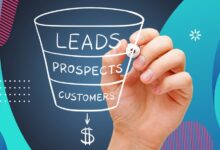
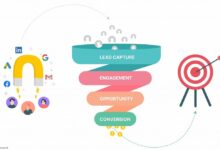
The lead generation process follows a funnel structure, guiding prospects from initial awareness to eventual conversion. Understanding this funnel helps businesses design better campaigns and nurture leads effectively.
Top of Funnel (TOFU): Attracting Prospects
The top of the funnel is all about awareness. At this stage, prospects are identifying a problem but may not know your solution exists. The goal is to attract as many relevant visitors as possible.
leads definition – Leads definition menjadi aspek penting yang dibahas di sini.
Strategies include SEO-optimized blog posts, social media content, and educational videos. For example, a cybersecurity firm might publish an article titled ‘5 Signs Your Business Is at Risk of a Data Breach’ to attract concerned IT managers.
- Focus on broad, informational content.
- Use keywords with high search volume.
- Drive traffic from organic and paid sources.
The leads definition at this stage is broad—anyone who engages is a potential lead.
Middle of Funnel (MOFU): Nurturing Interest
In the middle of the funnel, prospects are evaluating solutions. They know they have a problem and are researching options. This is where lead nurturing becomes critical.
Businesses provide more detailed content like case studies, comparison guides, and product demos. Email marketing plays a key role here. For instance, after someone downloads a guide on ‘Choosing the Right CRM,’ they might receive a series of emails highlighting customer success stories.
leads definition – Leads definition menjadi aspek penting yang dibahas di sini.
Lead scoring is often applied at this stage to identify who’s getting closer to a purchase decision.
“Nurture leads with value, not pressure.” — Marketing Strategist, Ann Handley
Bottom of Funnel (BOFU): Driving Conversion
The bottom of the funnel is where leads become customers. These are high-intent prospects ready to make a decision. The focus shifts to conversion.
Tactics include free trials, personalized demos, limited-time offers, and testimonials. Sales teams take the lead (pun intended) in closing deals.
For example, a lead who has used a free trial for 14 days might receive a special discount to upgrade. This final push can be the difference between a lost opportunity and a closed sale.
leads definition – Leads definition menjadi aspek penting yang dibahas di sini.
According to Salesforce, companies that optimize their BOFU see up to 30% higher close rates.
Lead Qualification: How to Identify High-Value Prospects
Not every lead is worth pursuing. Lead qualification is the process of determining which leads are most likely to convert into paying customers. This saves time, improves efficiency, and increases ROI.
BANT Framework: Budget, Authority, Need, Timing
One of the most widely used qualification models is BANT:
- Budget: Does the lead have the financial resources to buy?
- Authority: Is the lead a decision-maker or influencer?
- Need: Do they have a clear problem your product solves?
- Timing: Are they looking to buy soon?
For example, a lead from a small startup might have a strong need but no budget. Another lead might have budget and authority but no immediate timeline. Only when all four align is the lead truly qualified.
leads definition – Leads definition menjadi aspek penting yang dibahas di sini.
Sales teams use BANT to prioritize follow-ups. Learn more at IBM’s report on BANT.
CHAMP and MEDDIC Models
While BANT is traditional, newer models like CHAMP and MEDDIC offer more nuanced approaches.
CHAMP stands for Challenges, Authority, Money, and Prioritization. It flips the script by focusing on the lead’s challenges first, making it more consultative.
MEDDIC is used in complex B2B sales and includes Metrics, Economic Buyer, Decision Criteria, Decision Process, Identify Pain, and Champion. It’s especially useful for enterprise sales.
leads definition – Leads definition menjadi aspek penting yang dibahas di sini.
“Qualification isn’t about filtering people out—it’s about serving the right ones better.” — Sales Consultant, Mike Weinberg
Lead Scoring and Automation
Lead scoring assigns numerical values to leads based on their behavior and profile. For example, visiting the pricing page might earn 10 points, while downloading a case study earns 20.
Marketing automation tools like Marketo, HubSpot, and Pardot use lead scoring to route high-scoring leads to sales automatically. This ensures timely follow-up and reduces leakage in the funnel.
A study by Marketo found that companies using lead scoring experience 77% higher lead generation ROI.
Common Mistakes in Lead Management and How to Avoid Them
Even with a solid leads definition, many companies struggle with lead management. Poor follow-up, lack of alignment, and unclear criteria can derail efforts. Let’s look at the most common pitfalls.
leads definition – Leads definition menjadi aspek penting yang dibahas di sini.
Ignoring Lead Nurturing
One of the biggest mistakes is treating all leads the same. Not every lead is ready to buy immediately. Sending a sales pitch to a cold lead often results in rejection.
Solution: Implement a nurturing campaign with educational content, drip emails, and personalized offers. Nurture leads until they’re ready to engage with sales.
- Use email sequences to build trust.
- Segment leads by behavior and interest.
- Provide value at every touchpoint.
Poor Marketing-Sales Alignment
When marketing and sales teams don’t agree on what constitutes a qualified lead, leads fall through the cracks. Marketing might pass unqualified leads, while sales ignores them.
Solution: Establish a Service Level Agreement (SLA) between teams. Define clear criteria for MQLs and SQLs. Hold regular alignment meetings to review performance.
leads definition – Leads definition menjadi aspek penting yang dibahas di sini.
“Alignment isn’t a one-time meeting—it’s a continuous process.” — Revenue Operations Expert, Sangram Vajre
Overlooking Data Quality
Dirty data—duplicate entries, incorrect emails, outdated info—plagues lead databases. This leads to wasted effort and poor personalization.
Solution: Regularly clean your CRM. Use validation tools at point of entry. Implement double opt-in for email signups to ensure accuracy.
According to Experian, poor data quality costs businesses an average of 12% of their revenue annually.
The Future of Lead Generation: Trends and Innovations
The way we define and generate leads is evolving. Technology, consumer behavior, and data privacy are reshaping the landscape. Let’s explore what’s on the horizon.
leads definition – Leads definition menjadi aspek penting yang dibahas di sini.
AI and Predictive Lead Scoring
Artificial Intelligence is revolutionizing lead qualification. Predictive lead scoring uses machine learning to analyze historical data and predict which leads are most likely to convert.
Tools like Salesforce Einstein and HubSpot’s predictive lead scoring go beyond basic rules. They consider hundreds of data points—from website behavior to social engagement—to identify high-potential leads.
- Reduces guesswork in lead prioritization.
- Improves conversion rates by focusing on the best leads.
- Adapts over time as more data is collected.
According to Gartner, by 2025, 60% of B2B marketing organizations will use AI-driven predictive analytics for lead scoring.
Privacy-First Lead Generation
With increasing regulations like GDPR and CCPA, and the deprecation of third-party cookies, businesses must adapt. The future of lead generation is permission-based and transparent.
leads definition – Leads definition menjadi aspek penting yang dibahas di sini.
Instead of tracking users across the web, companies are focusing on first-party data—information willingly provided by users. This includes newsletter signups, account registrations, and interactive content.
“The future belongs to brands that earn trust, not just attention.” — Digital Strategist, Brian Solis
Zero-party data—where users actively share preferences—is becoming gold. For example, a quiz that asks ‘What type of marketing tools do you need?’ collects intent data directly from the user.
Conversational Marketing and Chatbots
Conversational marketing uses real-time interactions—like chatbots and messaging apps—to engage visitors and capture leads instantly.
A visitor on your website might be greeted by a chatbot asking, ‘Need help finding the right plan?’ This interaction can qualify the lead on the spot and route them to the right resource or sales rep.
leads definition – Leads definition menjadi aspek penting yang dibahas di sini.
Companies like Drift and Intercom are leading this trend. Learn more at Drift’s conversational marketing guide.
Research shows that websites with chatbots see up to 40% more qualified leads.
What is the basic leads definition?
A lead is a person or organization that has shown interest in your product or service, typically by providing contact information or engaging with your content. They are potential customers in the early stages of the buying journey.
What’s the difference between an MQL and an SQL?
A Marketing Qualified Lead (MQL) has engaged with marketing content and meets predefined criteria but isn’t ready for sales. A Sales Qualified Lead (SQL) has shown buying intent and is ready for direct sales outreach.
How can I generate more leads for my business?
Effective lead generation strategies include content marketing with lead magnets, paid advertising with landing pages, social media engagement, SEO, and webinars. Focus on providing value to attract high-quality leads.
What is lead scoring and why is it important?
Lead scoring assigns points to leads based on their behavior and profile. It helps prioritize which leads to follow up on, improving efficiency and conversion rates.
How is AI changing lead generation?
AI enables predictive lead scoring, chatbots for instant engagement, and personalized content delivery. It helps businesses identify high-value leads faster and automate nurturing processes.
Understanding the leads definition is the first step toward building a successful sales and marketing engine. From identifying different types of leads to mastering generation and qualification, every aspect plays a role in driving growth. As technology evolves, so do the methods—but the core principle remains: a lead is an opportunity. Treat it with care, nurture it with value, and convert it with precision. The future of lead generation is smart, ethical, and customer-centric. Stay ahead by embracing innovation while staying true to the fundamentals.
Further Reading:
