Lead generation isn’t just a buzzword—it’s the lifeblood of every growing business. Whether you’re a startup or an established brand, mastering lead generation can transform your sales funnel and fuel explosive growth.

What Is Lead Generation and Why It Matters

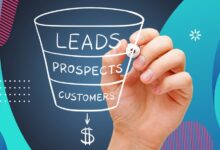
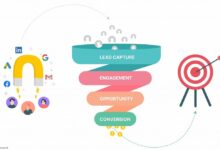
At its core, lead generation is the process of attracting and converting strangers into potential customers who have shown interest in your product or service. It’s not just about collecting names and emails; it’s about building relationships with people who could eventually become loyal clients.
The Evolution of Lead Generation
Lead generation has evolved dramatically over the past two decades. In the early 2000s, businesses relied heavily on cold calling, print ads, and trade shows. Today, digital channels dominate the landscape. According to HubSpot, 61% of marketers say generating traffic and leads is their biggest challenge, which underscores the importance of effective lead generation strategies.
- Traditional methods: Cold calls, direct mail, and networking events.
- Digital transformation: SEO, social media, and content marketing.
- Modern tools: CRM systems, AI-powered chatbots, and marketing automation.
The shift from offline to online has made lead generation more measurable, scalable, and cost-effective. Businesses can now track every click, form submission, and conversion with precision.
Types of Leads in the Funnel
Not all leads are created equal. Understanding the different types helps you tailor your approach and allocate resources wisely.
Marketing Qualified Leads (MQLs): These are individuals who have engaged with your content—downloaded an eBook, attended a webinar, or subscribed to your newsletter—but aren’t yet ready to buy.Sales Qualified Leads (SQLs): These leads have been vetted by your sales team and show clear buying intent, such as requesting a demo or pricing information.Product Qualified Leads (PQLs): Common in SaaS companies, these users have experienced your product through a free trial or freemium model and demonstrated usage patterns that indicate readiness to upgrade.
.”A lead isn’t just a name on a list—it’s a human being with a problem you can solve.” — Neil Patel
Top 7 Lead Generation Strategies That Work in 2024
The digital landscape is crowded, but the right lead generation strategy can cut through the noise.Here are seven proven methods that deliver results..
1. Content Marketing with High-Value Offers
Content is still king when it comes to lead generation. But not just any content—high-value, problem-solving content that addresses your audience’s pain points.
- Create in-depth guides, checklists, and templates that require an email to download.
- Use blog posts optimized for SEO to attract organic traffic and capture leads via embedded forms.
- Leverage gated content like whitepapers and case studies for high-intent audiences.
For example, a company offering project management software might create a free “Ultimate Project Planning Kit” in exchange for contact details. This not only generates leads but positions the brand as an authority.
According to Backlinko, long-form content (over 3,000 words) generates 3x more traffic and 4x more shares than shorter articles—making it a powerful tool for lead generation.
2. Search Engine Optimization (SEO)
SEO is one of the most sustainable lead generation strategies. Unlike paid ads, organic traffic compounds over time.
- Target high-intent keywords like “best CRM for small business” or “how to generate B2B leads”.
- Optimize landing pages with clear CTAs, fast loading speed, and mobile responsiveness.
- Build backlinks from authoritative sites to boost domain authority and rankings.
A well-optimized blog post can continue generating leads for years. For instance, a guide on “10 Lead Generation Tools for Startups” can attract entrepreneurs searching for solutions, converting them into subscribers and eventually customers.
As Ahrefs reports, 90.63% of web pages get no traffic from Google—meaning the top 10% dominate visibility. Ranking in that top tier is essential for consistent lead generation.
3. Social Media Lead Generation Campaigns
Social media platforms are no longer just for brand awareness—they’re powerful lead generation engines.
- Use LinkedIn lead gen forms to capture B2B prospects without leaving the platform.
- Run Facebook and Instagram lead ads with instant forms for quick conversions.
- Host live Q&A sessions or webinars on platforms like YouTube or TikTok to engage and collect leads.
LinkedIn reports that its lead gen forms have up to 2x higher conversion rates than traditional landing pages. This is because users are already logged in, reducing friction.
For example, a financial advisor could run a LinkedIn campaign offering a free retirement planning checklist. The seamless form capture increases completion rates and delivers high-quality leads directly to their CRM.
4. Email Marketing with Lead Nurturing Sequences
Email remains one of the highest ROI channels for lead generation. But the key isn’t just collecting emails—it’s nurturing them.
- Set up automated welcome sequences that deliver value immediately after sign-up.
- Segment your list based on behavior (e.g., downloaded a pricing guide vs. attended a webinar).
- Use drip campaigns to educate leads and guide them toward a purchase decision.
According to Campaign Monitor, email marketing delivers $42 for every $1 spent—an ROI of 4,200%. This makes it a cornerstone of any lead generation strategy.
A well-crafted nurture sequence can turn cold leads into warm prospects. For instance, a SaaS company might send a 7-day onboarding series that showcases product features, shares customer success stories, and ends with a personalized demo offer.
5. Webinars and Virtual Events
Webinars are one of the most effective ways to generate high-intent leads. They allow you to demonstrate expertise, build trust, and qualify leads in real time.
- Choose topics that solve specific problems (e.g., “How to Double Your Sales in 90 Days”).
- Require registration with contact details to access the event.
- Follow up with attendees using personalized emails and offers.
GoToWebinar found that 20–40% of webinar attendees are sales-ready, making them a goldmine for lead generation. Plus, you can repurpose the recording into on-demand content to keep generating leads long after the live session ends.
For example, a marketing agency could host a free webinar on “The 2024 SEO Playbook” and use it to capture leads interested in their services. The live Q&A also allows them to assess lead quality and intent.
6. Paid Advertising (PPC & Retargeting)
While organic strategies take time, paid advertising delivers instant visibility and lead generation results.
- Run Google Ads targeting high-intent keywords like “CRM software free trial”.
- Use Facebook and LinkedIn ads to target specific demographics, job titles, or interests.
- Implement retargeting campaigns to re-engage visitors who didn’t convert.
Google Ads can place your offer at the top of search results, capturing leads at the moment they’re actively looking. Meanwhile, retargeting ads can bring back 70% of lost visitors, according to WordStream.
A/B testing ad copy, landing pages, and CTAs is crucial for maximizing conversion rates. For instance, testing “Get Your Free Guide” vs. “Download Now” can significantly impact click-through and lead capture rates.
7. Referral and Partner Programs
People trust recommendations from peers more than any ad. Leveraging existing customers and partners can supercharge your lead generation.
- Launch a customer referral program with incentives (e.g., discounts, gift cards).
- Partner with complementary businesses to co-host events or co-create content.
- Use affiliate marketing to reward third parties for bringing in qualified leads.
Referral leads have a 30% higher conversion rate and a 16% higher lifetime value, according to Invesp. This makes referral programs one of the most cost-effective lead generation strategies.
For example, Dropbox famously grew its user base by offering extra storage space for every friend referred. This simple incentive led to a 60% increase in sign-ups.
Essential Tools for Effective Lead Generation
No lead generation strategy works without the right tools. Here’s a breakdown of must-have platforms.
CRM Systems for Lead Management
A Customer Relationship Management (CRM) system is the backbone of any lead generation operation. It helps you track, organize, and nurture leads efficiently.
- HubSpot CRM: Free, user-friendly, and integrates with marketing tools.
- Salesforce: Powerful for enterprise-level lead tracking and automation.
- Zoho CRM: Affordable with robust customization options.
CRMs allow you to score leads based on engagement, set follow-up reminders, and automate workflows—ensuring no lead falls through the cracks.
Landing Page Builders
Your landing page is where the conversion happens. A poorly designed page can kill even the best lead generation campaign.
- Unbounce: Drag-and-drop builder with A/B testing features.
- Leadpages: Templates optimized for high conversion rates.
- Carrd: Simple, fast, and perfect for solo entrepreneurs.
According to Crazy Egg, companies that A/B test their landing pages see conversion rates increase by up to 30%. Always test headlines, CTAs, and form lengths.
Email Marketing Platforms
To nurture leads, you need a reliable email platform that supports automation and segmentation.
- Mailchimp: Great for beginners with intuitive automation.
- Klaviyo: Ideal for e-commerce brands with advanced segmentation.
- ActiveCampaign: Combines email marketing with CRM and automation.
These tools allow you to send targeted messages based on user behavior—like sending a discount offer to someone who abandoned a free trial signup.
How to Measure Lead Generation Success
Generating leads is only half the battle. Measuring performance ensures you’re investing in what works.
Key Metrics to Track
To evaluate your lead generation efforts, focus on these critical KPIs:
- Conversion Rate: Percentage of visitors who become leads. Industry average is around 2–5%, but top performers hit 10%+.
- Cost Per Lead (CPL): How much you spend to acquire one lead. Lower CPL means better efficiency.
- Lead-to-Customer Rate: What percentage of leads actually buy? This reveals lead quality.
- Return on Ad Spend (ROAS): For paid campaigns, this shows revenue generated per dollar spent.
Tracking these metrics helps you identify which channels and campaigns deliver the best ROI.
Using Analytics Tools
Data is useless without the right tools to interpret it.
- Google Analytics: Track traffic sources, user behavior, and conversion paths.
- UTM Parameters: Tag your URLs to see which campaigns drive leads.
- Heatmaps (e.g., Hotjar): Visualize how users interact with your pages to optimize for conversions.
For example, if you notice high drop-off rates on your lead capture form, a heatmap might reveal that users are confused by the layout—prompting a redesign.
Common Lead Generation Mistakes to Avoid
Even experienced marketers make mistakes that sabotage their lead generation efforts.
Targeting the Wrong Audience
One of the biggest mistakes is casting too wide a net. If your content or ads don’t speak to a specific audience, your conversion rates will suffer.
- Solution: Create detailed buyer personas based on research and data.
- Ask: Who are they? What are their pain points? Where do they spend time online?
For example, a B2B software company should target decision-makers like CTOs or operations managers, not general business owners.
Ignoring Lead Nurturing
Only 2% of leads convert on first contact. The rest need nurturing over time.
- Solution: Implement automated email sequences and retargeting ads.
- Provide value at every stage—educate, engage, then sell.
According to Marketing Donut, nurtured leads make 47% larger purchases than non-nurtured leads.
Poor Follow-Up Strategy
Many businesses collect leads but fail to follow up promptly. Speed matters.
- Solution: Automate follow-ups with CRM workflows.
- Goal: Contact leads within 5 minutes of submission for maximum impact.
Research by Salesforce shows that the odds of qualifying a lead drop by 10x if contacted after 30 minutes.
Lead Generation for B2B vs. B2C
The principles of lead generation apply to both B2B and B2C, but the execution differs significantly.
B2B Lead Generation Strategies
B2B sales cycles are longer and involve multiple decision-makers.
- Focus on LinkedIn, industry forums, and professional networks.
- Use case studies, whitepapers, and product demos as lead magnets.
- Invest in account-based marketing (ABM) to target high-value companies.
For example, a cybersecurity firm might target IT directors with a gated report on “2024 Threat Landscape”—capturing leads with high authority and budget.
B2C Lead Generation Strategies
B2C decisions are often emotional and faster.
- Leverage Instagram, TikTok, and Facebook for visual storytelling.
- Offer discounts, free trials, or samples to drive quick conversions.
- Use influencer marketing to build trust and expand reach.
A skincare brand, for instance, could run a TikTok campaign offering a free sample in exchange for an email—creating a low-risk entry point for new customers.
Future Trends in Lead Generation
The future of lead generation is smarter, faster, and more personalized.
AI and Automation
Artificial intelligence is revolutionizing how we generate and qualify leads.
- AI chatbots can engage website visitors 24/7 and capture lead info.
- Predictive lead scoring uses machine learning to identify high-conversion prospects.
- Tools like Drift and Intercom automate conversations and hand off qualified leads to sales.
According to MarketsandMarkets, the AI in marketing market will grow from $15.4 billion in 2021 to $107.3 billion by 2026.
Hyper-Personalization
Generic messaging is dead. The future belongs to hyper-personalized experiences.
- Use dynamic content that changes based on user behavior or location.
- Send personalized video messages to high-value leads.
- Leverage zero-party data (information willingly shared by users) for deeper insights.
For example, a travel company could show personalized destination recommendations based on a user’s past searches and preferences—increasing the likelihood of conversion.
Voice and Visual Search Optimization
As voice assistants and image-based searches grow, optimizing for these channels will be crucial.
- Optimize content for natural language queries (e.g., “Hey Siri, find CRM software for startups”).
- Use descriptive alt text and structured data for image SEO.
- Ensure your business is listed on Google Business Profile for local voice search.
Comscore predicts that by 2025, 50% of all searches will be voice-based—making this a critical area for future lead generation.
What is lead generation?
Lead generation is the process of attracting and converting individuals who are interested in your product or service into potential customers. It involves capturing contact information, usually through digital channels like websites, social media, or ads, to nurture them toward a purchase.
What are the best lead generation strategies?
The most effective lead generation strategies include content marketing with gated offers, SEO, social media campaigns, email marketing, webinars, paid advertising, and referral programs. The best approach depends on your audience, industry, and goals.
How do I generate high-quality leads?
To generate high-quality leads, focus on targeting the right audience, offering valuable content, using lead scoring to prioritize prospects, and nurturing leads with personalized communication. Quality matters more than quantity in the long run.
What tools are essential for lead generation?
Essential tools include CRM systems (like HubSpot or Salesforce), landing page builders (like Unbounce), email marketing platforms (like Mailchimp), and analytics tools (like Google Analytics). These help capture, manage, and convert leads efficiently.
How do I measure lead generation success?
Track key metrics like conversion rate, cost per lead, lead-to-customer rate, and return on ad spend. Use analytics tools to monitor performance and optimize campaigns for better results.
Lead generation is not a one-time tactic but an ongoing strategy that fuels business growth. From content marketing and SEO to AI-driven automation, the tools and techniques available today make it easier than ever to attract, engage, and convert prospects. The key is to focus on value, relevance, and consistency. By understanding your audience, leveraging the right channels, and measuring performance, you can build a sustainable lead generation engine that drives long-term success. Whether you’re in B2B or B2C, the principles remain the same: solve real problems, build trust, and make it easy for people to say “yes.” Start implementing these strategies today, and watch your pipeline grow.
Further Reading:
